Il materiale per la stampa e le immagini
Scaricate il materiale per la stampa e le immagini di questo comunicato stampa. Queste risorse sono disponibili per le vostre relazioni.
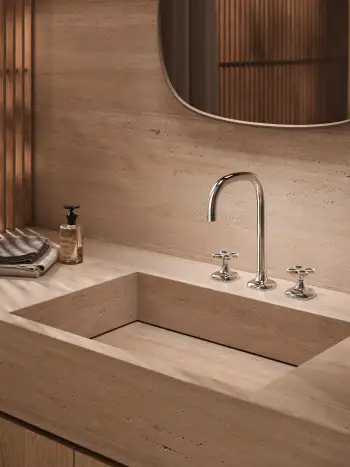
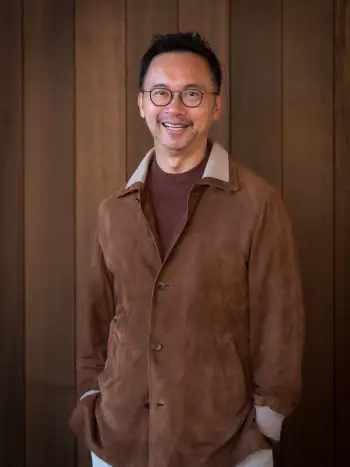
Con “The Knot”, Ed Ng, co-fondatore e Principal di AB Concept a Hong Kong, ha progettato una nuova Atelier Edition per Dornbracht. Un progetto che unisce eccellenza artigianale e un concept innovativo, invitando a esprimere una maggiore individualità. Le caratteristiche manopole della serie Coya, disegnata da Sieger Design, vengono reinterpretate in modo sorprendente. In questa intervista, il designer racconta come un simbolo della cultura cinese abbia ispirato il progetto, cosa renda davvero proficua una collaborazione e quali scelte progettuali di “The Knot” non siano visibili agli occhi, ma percepibili al tatto.
Ed, qual è l’idea alla base di “The Knot”?
Trovo spesso ispirazione nelle forme della natura o nei simboli culturali, perché il loro significato può essere espresso attraverso forme molto semplici. Il punto di partenza è stato il nodo Ruyi, antico simbolo cinese di buon auspicio, tradizionalmente associato a continuità, stabilità e felicità. Forma e significato sono strettamente legati: i cordoni intrecciati creano una struttura simmetrica che non ha né inizio né fine, evocando così un senso di infinito. Per me, questo rappresenta un’analogia diretta con il ciclo naturale dell’acqua, che si rinnova continuamente. Il nodo Ruyi diventa quindi metafora di qualcosa che è in costante movimento e connesso con tutto ciò che lo circonda. Nella nostra interpretazione di Coya, ho voluto tradurre questo concetto in una manopola scultorea.
In che misura hai dovuto modificare il design originale di Coya per ottenere questo risultato?
Le manopole di Coya possiedono già un’identità visiva molto distintiva, perché combinano due forme geometriche fondamentali: il cerchio e il quadrato. Una soluzione progettuale peculiare firmata Sieger Design. Non volevo quindi sostituirle, ma aggiungere un ulteriore livello: un elemento scultoreo che rimanesse fedele alla forma originale, introducendo al tempo stesso un accento inaspettato. Gli anelli intrecciati del nodo Ruyi formano quattro elementi identici, dalle linee uniformemente arrotondate. Questa geometria aperta conferisce una particolare leggerezza, mentre il nucleo quadrato al centro assicura la necessaria stabilità. “The Knot” mantiene quindi un legame visibile con la famiglia Coya, ma conferisce alla rubinetteria un carattere giocoso e simbolico. Allo stesso tempo, per me era importante compiere anche le giuste scelte progettuali “invisibili”...
Cosa intendi?
Quando si progetta un prodotto si prendono decisioni che non necessariamente si vedono, ma che si possono certamente percepire. In “The Knot”, uno di questi dettagli invisibili è l’equilibrio delle curve. Osservando la rubinetteria, si potrebbe pensare che i quattro anelli del nodo abbiano una funzione puramente decorativa. In realtà, ciascuno è modellato in modo da accompagnare naturalmente la punta delle dita e offrire una presa intuitiva.È questo che intendo per scelta progettuale invisibile: un dettaglio che difficilmente viene percepito in modo consapevole, ma che al tatto risulta naturale e perfettamente coerente.
Come si è sviluppata la collaborazione con Dornbracht? Hai avuto piena libertà creativa?
La nostra collaborazione è stata caratterizzata da un confronto aperto e costruttivo. Dornbracht ha accolto con grande curiosità e interesse la mia idea di utilizzare il nodo Ruyi come elemento centrale del progetto. Insieme ai rispettivi team abbiamo poi sviluppato il design e la costruzione di “The Knot”, perfezionandoli progressivamente, passo dopo passo, fino a raggiungere un risultato che soddisfacesse tutti. Per me, è proprio questo che rende una collaborazione davvero riuscita: quando le idee possono fluire liberamente tra creatività e fattibilità e le due parti si stimolano e si ispirano reciprocamente. Ero comunque consapevole che il progetto avrebbe rappresentato una sfida, in particolare per ottenere una finitura uniforme sui delicati anelli. Grazie all’esperienza e alla grande competenza degli specialisti dello stabilimento in Germania, però, il risultato è stato eccellente. Ogni manopola viene inoltre spazzolata singolarmente e anche l’applicazione della finitura è eseguita interamente a mano. È un aspetto che trovo davvero straordinario.
Quando capisci che un’idea ha davvero funzionato?
È il momento in cui un concept risulta convincente dal punto di vista estetico, ergonomico e tecnologico. Quando questi tre aspetti trovano un equilibrio coerente, il design appare semplicemente giusto, quasi come se fosse sempre esistito. Ogni volta è una sorta di momento di illuminazione. A un certo punto del processo di sviluppo, qualcuno mi ha detto scherzando che la forma di “The Knot” appariva così morbida e leggera da far venire voglia di giocarci. Quel commento mi è rimasto impresso: mi ha ricordato che un buon design non dovrebbe essere soltanto bello e funzionale. Dovrebbe anche essere capace di divertire.
Scaricate il materiale per la stampa e le immagini di questo comunicato stampa. Queste risorse sono disponibili per le vostre relazioni.
Dornbracht
Julia Quenzer
Tel.: +49 2371 433-2117
Email: press@dornbracht.com
Share Communication
Alessia Vallarino
Tel.: +39 3288986056
Email: av@share-pr.it